Ford Focus Mk3 1.0 EcoBoost 125bhp — Alternator / Smart Charge System Failure
Modern vehicles use smart charging systems to reduce engine load, but the complex regulators on the alternators frequently fail.
Severity
SevereDIY Difficulty
Moderate
Est. Cost
£250–£450
OBD Codes
P0620P0622Electrics
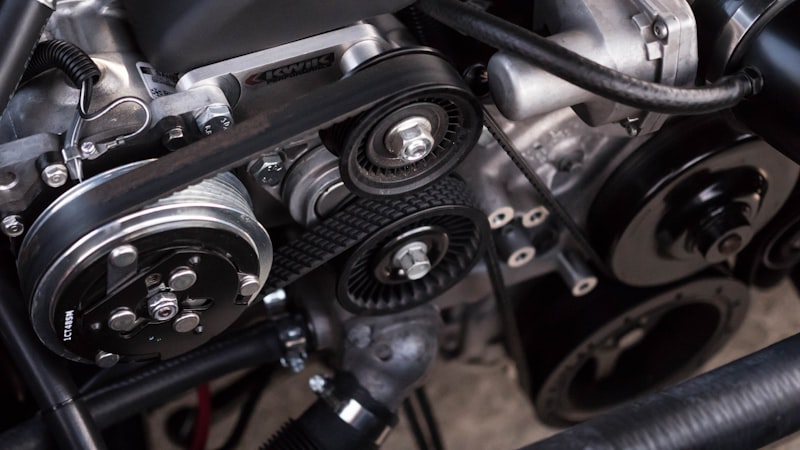
Typical layout and location for the Electrics assembly.
Symptoms
- Red battery warning light on dashboard
- 'Charging System Fault' message
- Systems shutting down (radio, power steering) as battery depletes
- Car fails to start
Root Cause
The internal voltage regulator or diode pack on the alternator burns out due to heat and age. Occasionally, a slipping auxiliary belt causes the issue.
How To Fix
- Test battery voltage with engine running (should be 13.8V - 14.7V).
- If below 12.5V, replace the alternator.
- Always replace the auxiliary drive belt at the same time.
- Cost: £250-450
Estimated Repair Costs
| Repair Option | Est. Cost (GBP) |
|---|---|
| DIY (parts only) | £100–£180 |
| Independent Garage | £250–£450 |
| Main Dealership | £400–£720 |
Other Faults on This Variant
Timing Chain Stretch and Tensioner Failure
CriticalThe Focus Mk3 1.0 EcoBoost shares the same timing chain vulnerability as the Fiesta Mk7. Pre-2016 engines are the highest risk — chain rattle on cold start must be investigated immediately.
Coolant Loss from Integrated Exhaust Manifold
SevereThe 1.0 EcoBoost's unique integrated exhaust manifold/cylinder head design causes head gasket stress. Coolant loss without visible leaks is a known issue on higher-mileage Focus Mk3 examples.
Turbocharger Boost Leak from Intercooler Pipe
ModerateBoost pressure leaks from the plastic intercooler pipes and clamp connections on the 1.0 EcoBoost are common. A leak causes a noticeable flat spot and loss of performance under boost.
Disclaimer: Repair cost estimates are indicative and based on community data. Always get a quote from a qualified mechanic before proceeding with any repair.