Mini Hatch R56 Cooper S 1.6T 175bhp — Carbon Build-Up on Intake Valves
The N14's direct injection system means fuel is injected directly into the cylinder, bypassing the intake valves. Oil vapour from the PCV system coats the valves with carbon, causing power loss and misfires.
Severity
ModerateDIY Difficulty
Hard
Est. Cost
£300–£600
OBD Codes
P0300P0301P0302Carbon Build Up
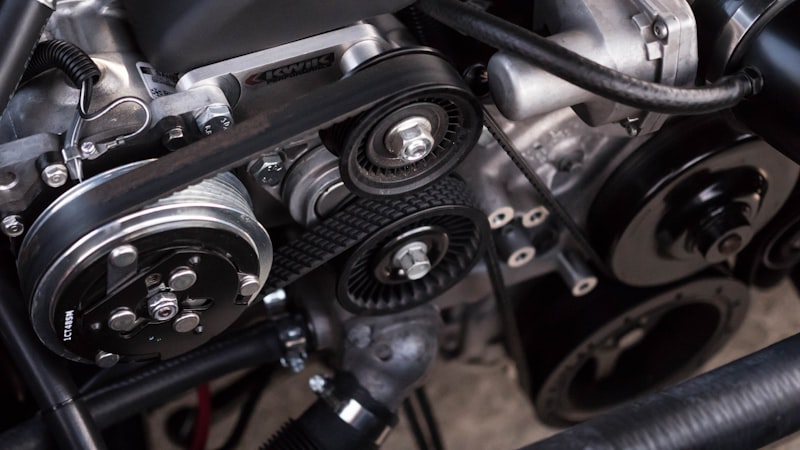
Typical layout and location for the Carbon Build Up assembly.
Symptoms
- Rough idle and misfires on cold start
- Hesitation and stumbling under light throttle
- Loss of power compared to when car was new
- Fuel economy declining
- Carbon deposits visible via borescope through intake ports
Root Cause
Direct injection engines do not have fuel washing over the intake valves to remove deposits. The PCV (Positive Crankcase Ventilation) system routes oil vapour back into the intake. This vapour bakes onto the hot valves and builds up into hard carbon deposits over 40,000-60,000 miles.
How To Fix
- Walnut blast intake clean — walnut shells blasted into the intake to remove carbon deposits
- Requires removal of intake manifold — 3-4 hours work
- Cost: £300-600 at a specialist
- Prevention: use quality fully synthetic 5W-30 oil, short oil change intervals
- Can be done DIY with a walnut blaster kit — rental available from some tool shops
Estimated Repair Costs
| Repair Option | Est. Cost (GBP) |
|---|---|
| DIY (parts only) | £120–£240 |
| Independent Garage | £300–£600 |
| Main Dealership | £480–£960 |
Other Faults on This Variant
Timing Chain Tensioner Failure (N14 Engine)
CriticalThe BMW-designed N14 1.6T engine in the R56 Mini Cooper S has a plastic timing chain tensioner that fails prematurely. This is the most serious known fault on the R56 generation.
High Pressure Fuel Pump (HPFP) Failure
SevereThe High Pressure Fuel Pump on the N14 engine fails frequently. It is one of the most well-known and expensive failures on the R56 Cooper S.
Turbo Oil Feed Pipe Leak
CriticalThe oil feed line to the turbocharger runs directly over the exhaust manifold. The extreme heat cooks the rubber O-rings in the banjo fittings, causing dangerous oil leaks.
Disclaimer: Repair cost estimates are indicative and based on community data. Always get a quote from a qualified mechanic before proceeding with any repair.